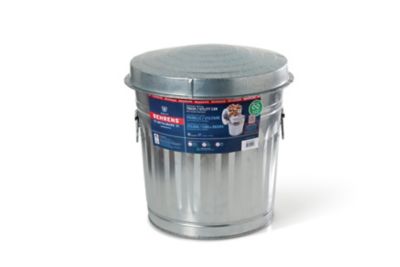
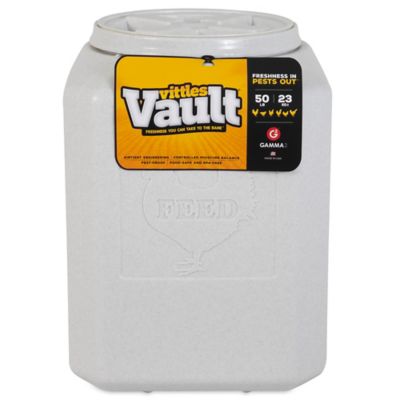
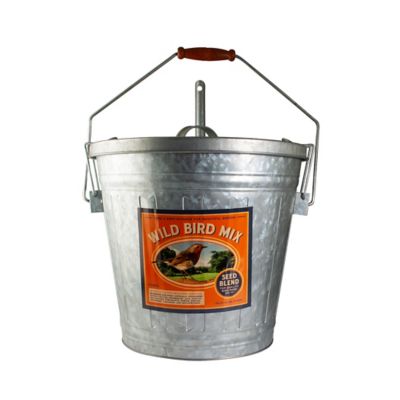
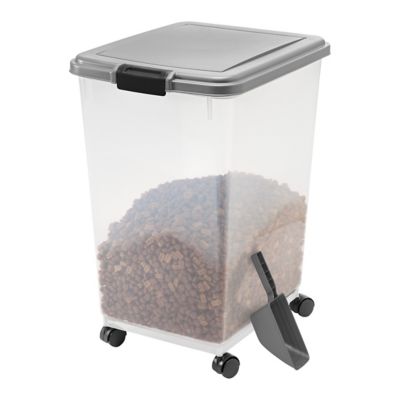
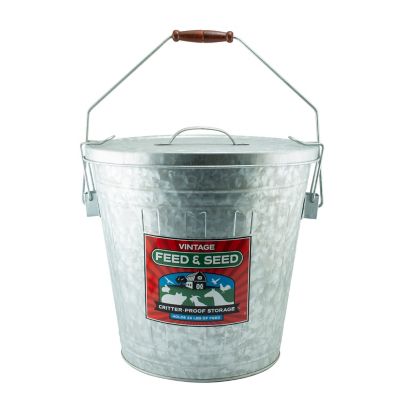
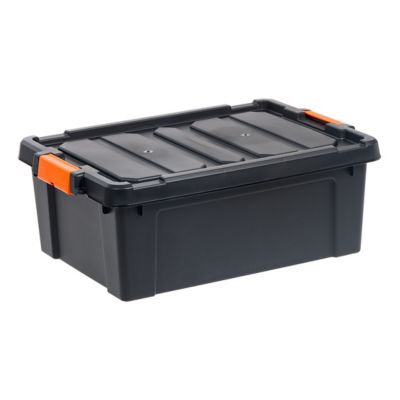
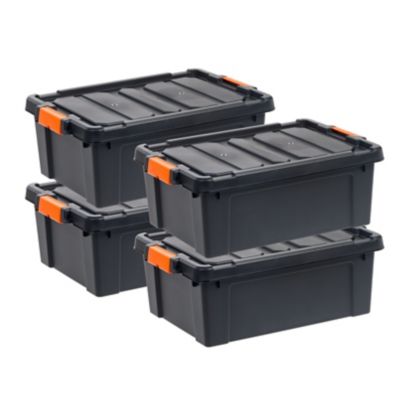
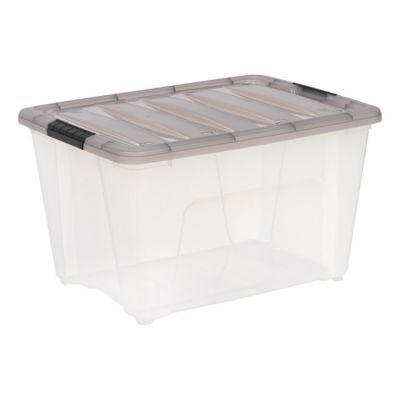
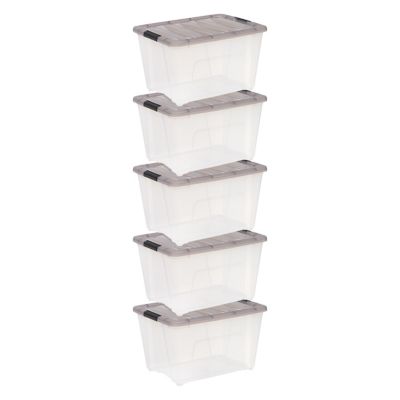
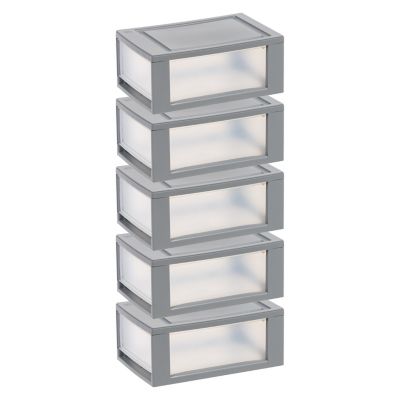
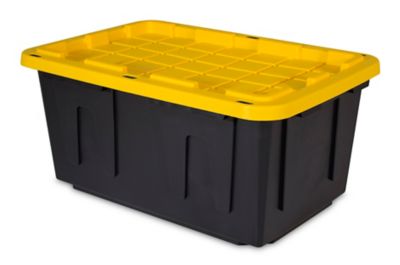
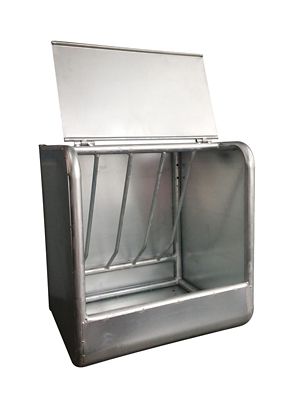
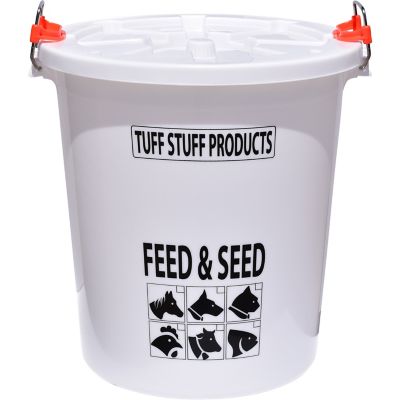
When it comes to chicken feed storage, folks who’ve kept backyard chickens for any length of time know that keeping your flock’s feed safe and fresh is just as important as what you feed them. Whether you’re running a small hobby coop or managing a larger flock out in the country, the best way to store chicken feed starts with choosing the right chicken feed container and a good spot to keep it. Around this time of year, February’s chill and damp can sneak into barns and sheds, so it’s extra important to keep feed dry and away from the elements. Most folks swear by a metal chicken feed container—galvanized steel cans with tight-fitting lids are a tried-and-true favorite for a reason. They’re tough enough to keep out determined rodents and wild critters, and they don’t pick up odors or let in moisture like some plastics can. If you’re storing feed in a garage, barn, or outbuilding, set your chicken food storage bins up off the ground, maybe on a wooden pallet or cinder blocks, to keep the bottom from soaking up moisture and to help air circulate underneath. This little step goes a long way toward preventing mold, especially during the damp winter months when condensation can be a real problem.
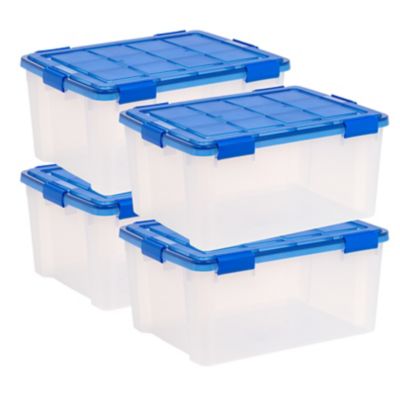
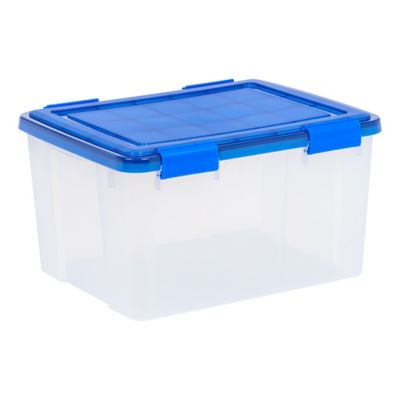
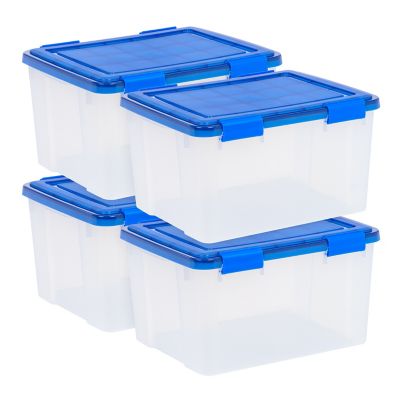
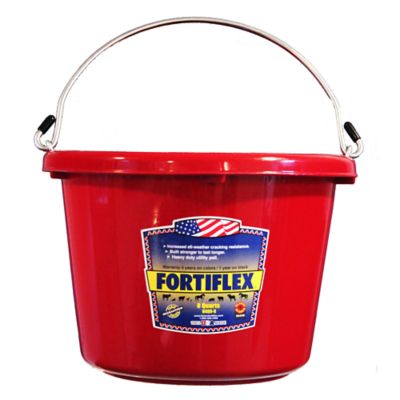
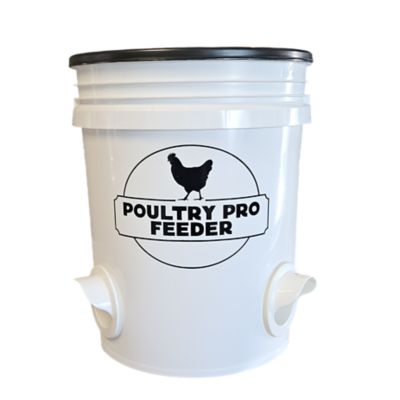
Proper chicken feed storage isn’t just about convenience—it’s about protecting your investment and keeping your birds healthy. Feed that’s gone stale, molded, or been nibbled by mice can make your hens sick and cut down on egg production, not to mention the waste of money and effort. Storing feed in airtight containers, ideally in a cool, dark place, helps preserve all those important nutrients and keeps the feed palatable for your flock. For folks with smaller coops or urban setups, a five-gallon bucket with a screw-on gamma lid can make daily feeding easy and spill-proof, while still keeping out moisture and pests. If you’re buying feed in bulk, consider splitting it between a couple of containers so you’re only opening one at a time, which helps the rest stay fresher longer. And don’t forget to sweep up any spills right away—leftover crumbs are like an open invitation for rats and wild birds. For anyone looking to give a thoughtful gift to a chicken keeper, a sturdy, pest-proof chicken feed container or a set of weather-resistant bins is always appreciated, especially as folks gear up for spring chick season. If you’re looking to organize your feed room or need more storage options for other supplies around the farm, check out our selection of
Farm Storage Bins for even more ways to keep things tidy and protected from the elements.
No matter the size of your flock, taking a little extra care with your chicken food storage pays off in the long run. Feed is best purchased in amounts you’ll use up within a month or two—this keeps it fresh and less likely to spoil, especially if you’re dealing with humid or hot conditions as the seasons change. If you’ve ever opened up a bag to find it clumpy, musty, or crawling with bugs, you know how quickly things can go wrong without proper storage. With winter still hanging on and spring mud just around the corner, now’s a good time to double-check your setup and make sure your bins are sealed tight, up off the ground, and ready for whatever weather rolls in. Taking these simple steps can help you avoid headaches and keep your flock happy, healthy, and laying strong through the seasons.