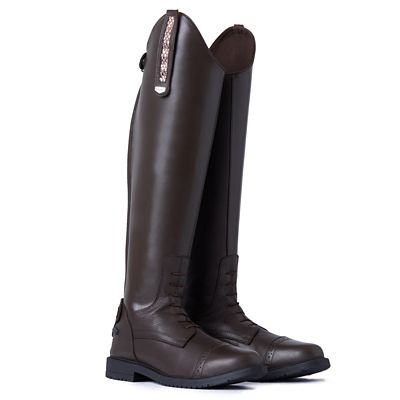
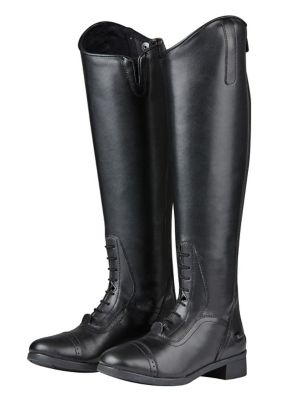
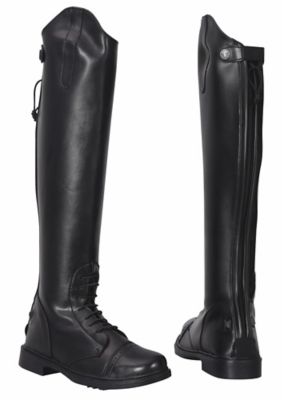
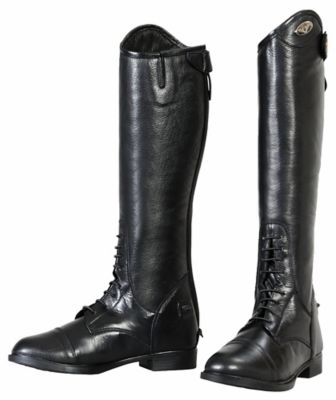
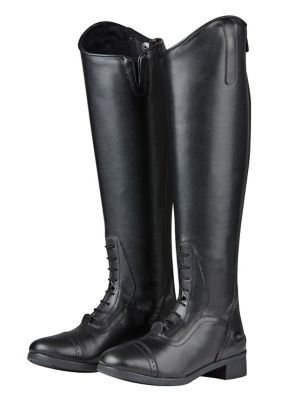
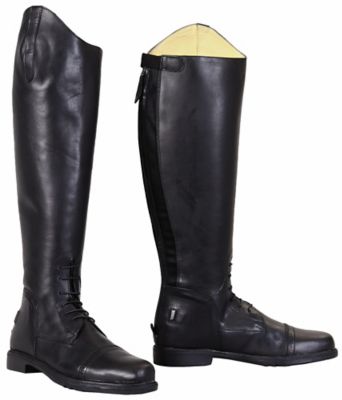
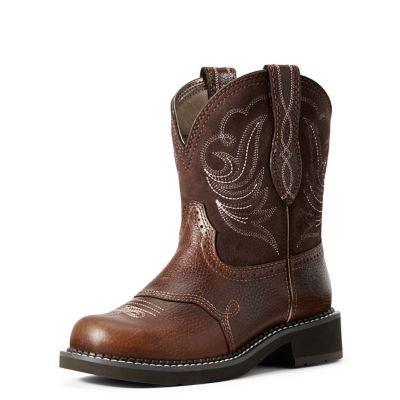
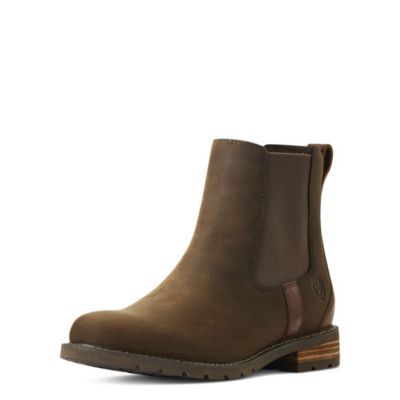
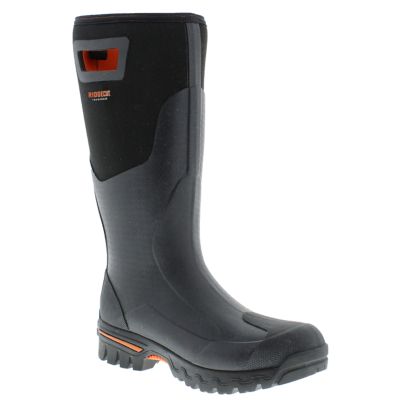
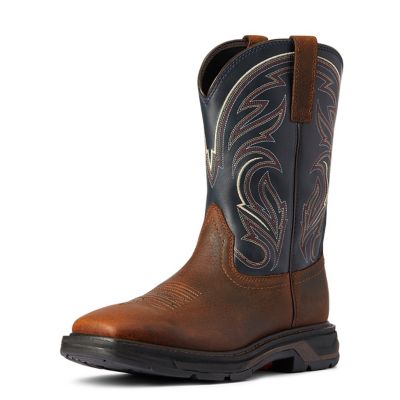
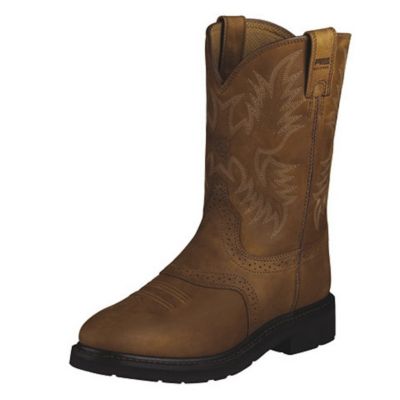
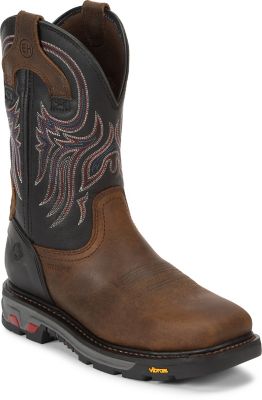
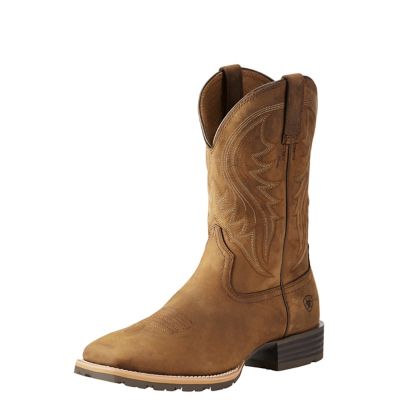
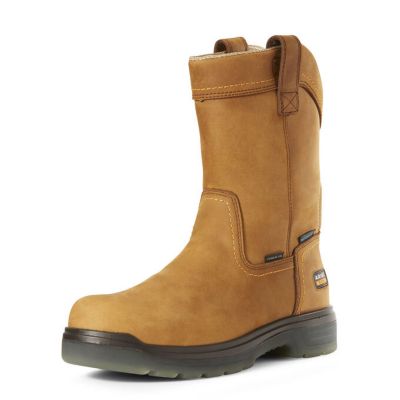
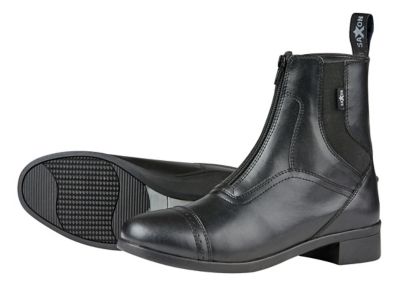
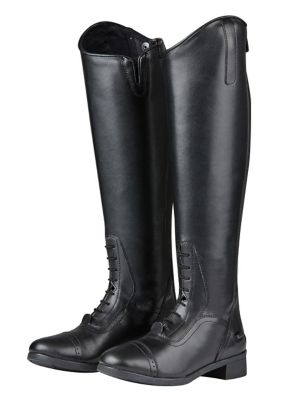
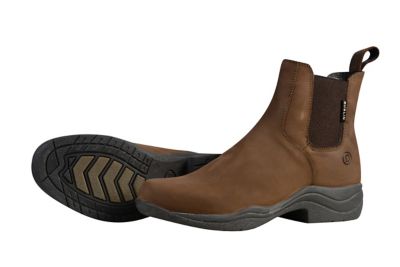
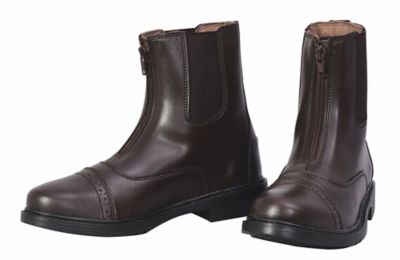
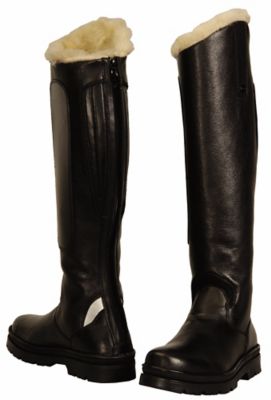
When it comes to tackling long days in the saddle or spending hours working around the barn, the right pair of field boots can make all the difference. Folks who ride hunter/jumper or eventing know that not just any boot will do—field boots are built with a flexible ankle and laces at the front, making them a favorite for those who need to bend and move while riding. The laces give a custom fit around the lower leg, so whether you’re adjusting stirrups for a quick jump round or spending the afternoon schooling young horses, you’ve got the support and comfort you need. These boots extend up to the knee, keeping your legs protected from pinching saddles and stray branches, while the sturdy heel keeps your foot right where it should be in the stirrup. February might be chilly, but a good pair of field boots with a solid, grippy sole will help you keep your footing in muddy paddocks or frosty arenas, and they’re easy enough to clean off when the day’s work is done.
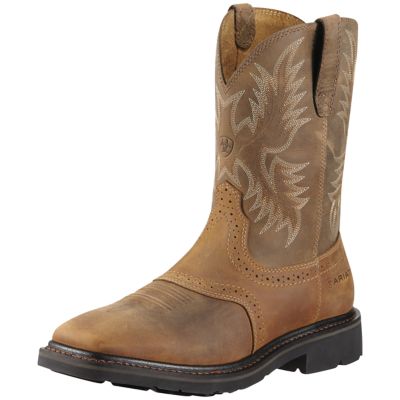
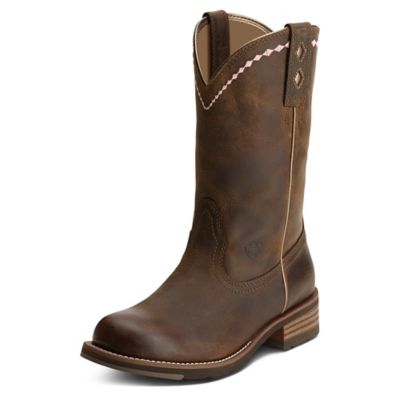
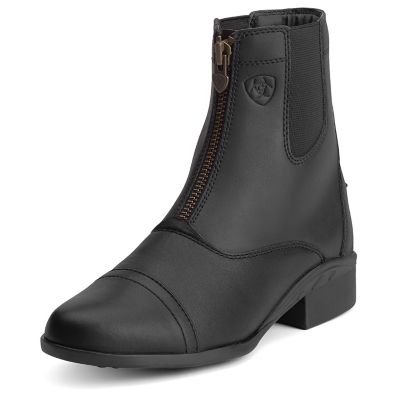
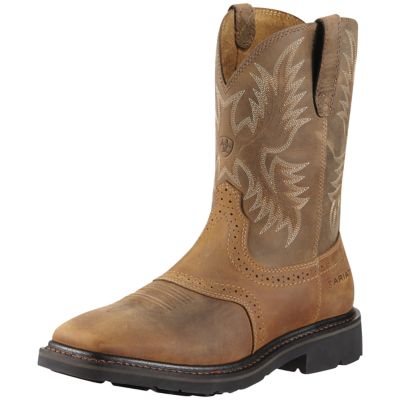
Field boots aren’t just for the show ring, either. They’re a solid choice for anyone who spends time around horses—trainers, barn managers, and even weekend riders who want that classic, polished look without sacrificing comfort. They make a thoughtful gift for riders of all ages, from teens just getting started in local shows to seasoned horsewomen who appreciate a boot that holds up through years of use. Black women riding boots are especially popular for their versatility and timeless style, blending in at both formal competitions and casual trail rides. If you’re shopping for someone who loves horses, field boots are a practical and appreciated surprise, especially when paired with a set of new half chaps or a cozy pair of boot socks. And don’t forget, cowboy boots might be the go-to for western riding, but when you’re jumping fences or working on your equitation, nothing beats the secure fit and flexibility of a well-made field boot.
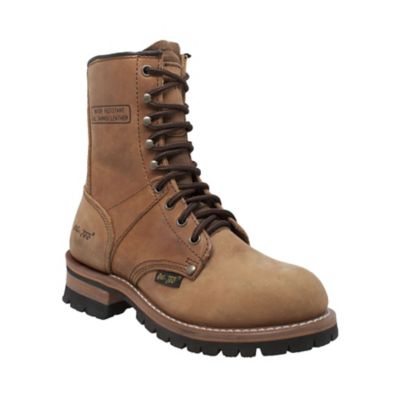
Choosing the right pair comes down to fit, material, and the kind of riding you do most. Leather is the traditional pick for its durability and classic look, but synthetic options are easier to care for and can stand up to wet, muddy conditions that February often brings. Make sure to measure your calf and height for the best fit—too loose and you’ll lose support, too tight and you’ll be uncomfortable before you’ve even tacked up. Field boots should feel snug but not restrictive, with enough give at the ankle to let you flex and move as you ride. If you’re after a different look for everyday wear or something that transitions easily from barn chores to town, check out the wide selection of
Tan Boots for even more options. No matter your style or discipline, a dependable pair of field boots is a staple in any rider’s gear, ready for early morning feedings, late-night checks, and everything in between.